
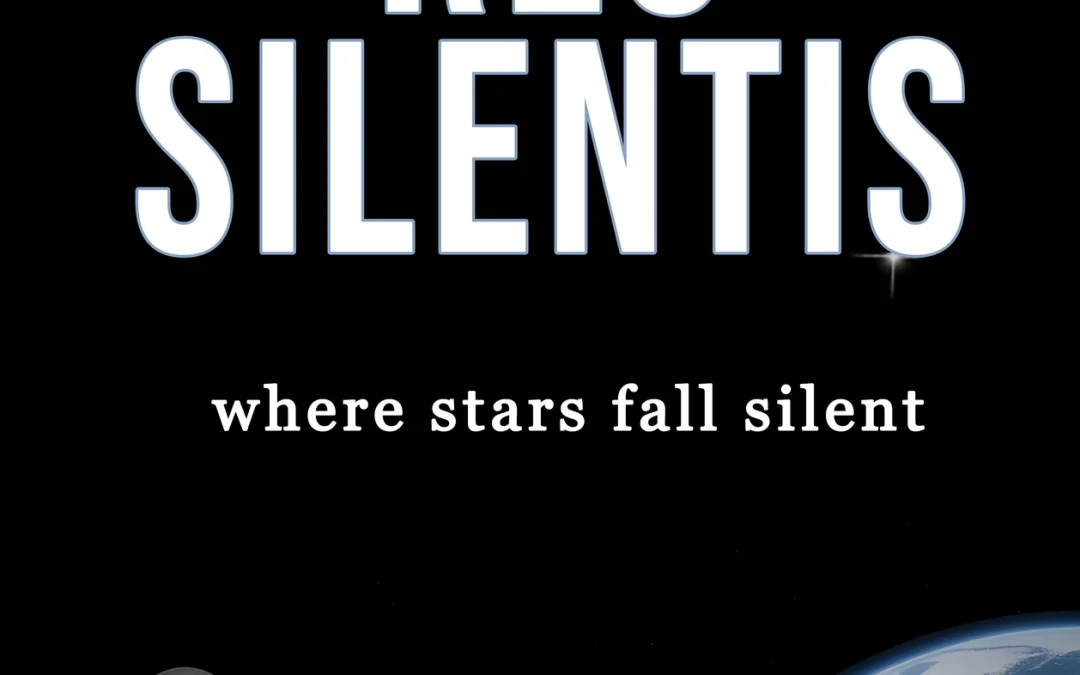
Res Silentis – where stars fall silent — by Eduardo Garbayo
If you’re looking for a hard science-fiction novel that reads like a slow, inevitable tide rather than a fireworks display, this is it. The book approaches first contact with the cool, exacting eye of scientists and engineers who measure risk, write memos, and sleep in shifts—not with the fever of prophecy or melodrama. That perspective gives the story a rare air of plausibility: the stakes feel real because the responses feel true to the people who would actually face them.
Where this work shines is in balancing technical rigor with humane observation. The narrative spends generous time inside control rooms, technical briefings, and the quiet rituals of professional teams; yet it never lets procedure swallow personhood. Characters are drawn with modest but effective strokes—their ambitions, small vanities, and private doubts make the larger scientific questions land with emotional weight. There’s no need for spectacle when the human cost of decisions is portrayed with this much clarity.
The prose favors precision over ornament. That restraint is a deliberate aesthetic choice that pays off: the novel trusts readers to follow the logic and to feel the accumulating implications. It rewards patience. Details compound into pattern, and what begins as a tidy puzzle about signals and silence becomes an exploration of how institutions, media, and ordinary people reframe the unknown. The book is thoughtful rather than flashy, which is exactly what fans of classic hard SF will appreciate.
Tone and structure nod respectfully to the tradition of science-driven speculative fiction but feel distinctly contemporary—attuned to the ethical, social, and technological anxieties of the 21st century. The philosophical undertow is present but never preachy: questions about knowledge, preparedness, and wonder arise naturally from the plot’s mechanisms rather than from expository speeches.
No spoilers: this is a first-contact tale told in the language of manuals, minutes, and careful observation. If you prefer your speculative fiction to prioritize method, consequence, and moral nuance over pyrotechnics, this book is a must-read. It doesn’t scream «classic,» but it carries the structural calm and intellectual density that could very well let it age into one. Highly recommended for readers who want their science fiction smart, sober, and quietly profound.